
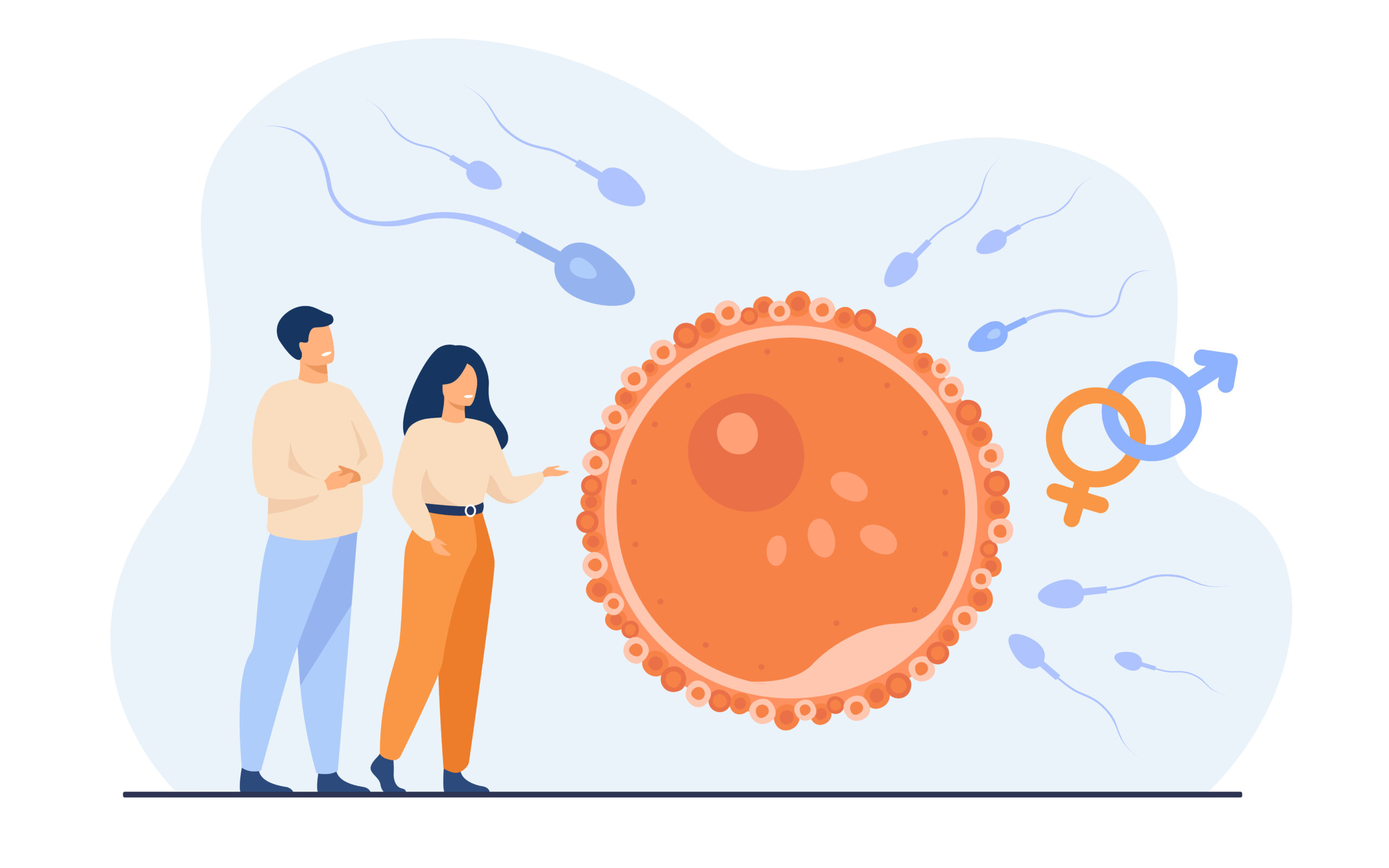
Planning to start your fertility treatment soon? Or are you already in the middle of an IVF cycle and wondering what comes next? One of the most common and completely valid questions patients ask is:
“How many IVF cycles are safe?”

If you’re thinking about IVF or have already gone through one or more cycles, this question may be weighing heavily on your mind. Let’s walk through the medical realities, doctor-approved guidance, and emotional considerations behind IVF cycles, so you can make informed, confident decisions.
IVF Cycles: An Overview
Every fertility journey is unique. You may hear stories of couples who conceive in their very first IVF attempt, and yes, that does happen. But it’s just as common for people to need multiple IVF cycles before achieving a successful pregnancy.
From a medical perspective, most fertility specialists agree that 3 to 6 IVF cycles are common and generally considered safe for many individuals. However, this is not a fixed rule. The right number depends on how your body responds to your age, underlying fertility factors, and your emotional and physical well-being.
Why Do Doctors Often Recommend 3 to 6 IVF Cycles?
If your first IVF cycle doesn’t succeed, it doesn’t mean you should lose hope. Many patients conceive in their second or third attempt. Doctors often learn valuable information from your first IVF cycle, such as:
- How your ovaries respond to stimulation
- How your hormones behave
- How your uterine lining develops
Based on this, treatment protocols may be adjusted. Sometimes, these refinements help improve outcomes in subsequent cycles.
When Is It Time to Rethink Your IVF Plan?
Fertility specialists usually reassess treatment plans after a few cycles. Higher success rates early on many pregnancies occur within the first three IVF cycles. However, diminishing returns after multiple attempts, after five or six cycles, success rates often plateau rather than improve. And even increasing physical and emotional strain, repeated hormone stimulation, procedures, and emotional stress can take a toll over time.
Because of these factors, doctors typically pause after several cycles to evaluate whether continuing IVF is the best option or whether a different approach may be more effective.
Your doctor may suggest exploring alternative options if:
- IVF cycles are repeatedly unsuccessful
- Egg quality or response to stimulation is declining
- Emotional or physical fatigue becomes overwhelming
Possible alternatives may include:
- Using donor eggs or sperm
- Exploring surrogacy
- Considering embryo adoption
These are all valid and meaningful paths to parenthood. The goal is not to keep trying endlessly, but to find the approach that gives you the best chance, safely and sustainably.
How Does Age Affect IVF Success?
Read Related: IVF and Age
Age plays a crucial role in fertility and IVF outcomes.
- Under 35: Higher success rates; fewer cycles may be needed.
- 35–40:Egg quality gradually declines, and more cycles may be required.
- Over 40:IVF success rates drop significantly due to reduced egg quality. Doctors may discuss donor eggs earlier to improve chances.
Your age helps shape your IVF strategy, but it doesn’t define your possibilities. Every timeline is different.
How Much Can Your Body Handle?
IVF is considered safe for most people, but repeated cycles can carry certain risks, especially if done back-to-back without proper monitoring. Possible concerns include:
- Ovarian overstimulation
- Reduced ovarian reserve over time
- Hormonal side effects
- Physical fatigue
- Emotional and mental exhaustion
Fertility specialists closely monitor these risks. If your body shows signs of stress or poor response, your doctor may recommend pausing, modifying treatment, or exploring alternatives.
Just as important as physical health is emotional well-being. IVF can be emotionally demanding, and sometimes taking a mental break is just as necessary as a medical one.
Choosing the Right IVF Support Matters
There is no perfect number when it comes to how many IVF cycles are safe. Some people succeed in one cycle, others in three, and some after five or six. What matters most is:
- How is your body responding?
- How are you feeling emotionally?
- Whether the treatment still aligns with your goals and well-being
When choosing an IVF center, prioritize clinics that offer personalized care, not one-size-fits-all treatment plans. Whether you’re in Delhi, Hyderabad, or elsewhere, working with a team that sees you as a person, not just a patient, can make a meaningful difference.
Final Thoughts
No two fertility journeys look the same. While many doctors recommend reassessing after five or six IVF cycles, your path may look different, and that’s okay.
If you’re feeling uncertain, overwhelmed, or at a crossroads, an open conversation with a fertility specialist at a trusted IVF center is essential. Reviewing your history, understanding your options, and receiving honest, compassionate guidance can help you decide whether to continue IVF or consider another path.
At the end of the day, the goal is not just pregnancy but a journey that respects your body, your emotions, and your long-term well-being.
Disclaimer: This article is for educational purposes only and does not replace personalized medical advice. Always consult a qualified fertility specialist before making treatment decisions.
You Can Consult Our Clinic for further clarification for IVF experts.
