
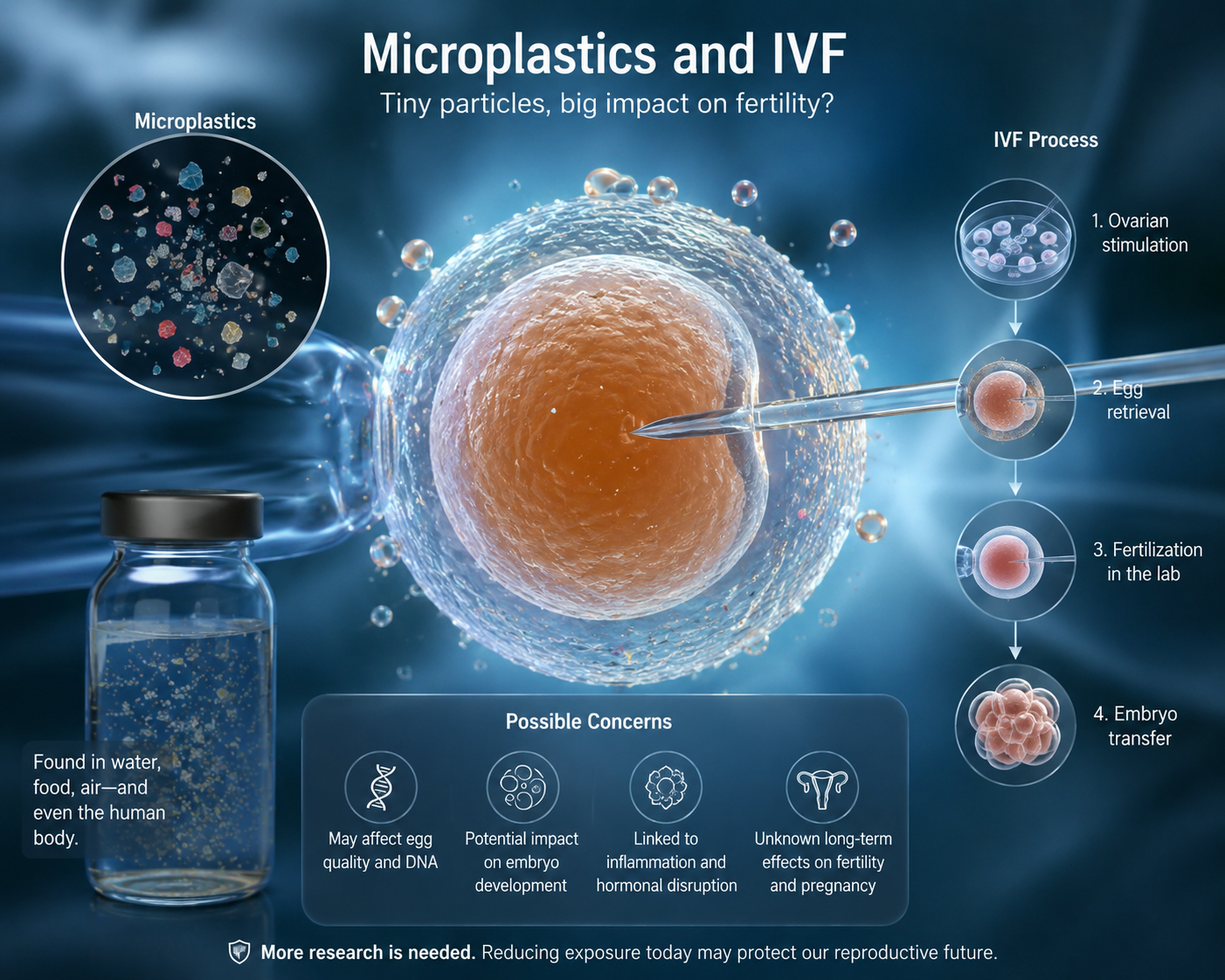
Fertility specialists worldwide are paying increasing attention to one emerging environmental concern: microplastics. These tiny plastic particles, now found in water, food, air, and even human tissues, are raising important questions about reproductive health and IVF outcomes.
Recent scientific studies suggest that microplastics may influence hormone balance, egg quality, sperm health, embryo development, and overall fertility potential. While research is still evolving, the findings are significant enough for fertility experts to encourage awareness and preventive lifestyle changes.
For Indian couples planning IVF, understanding the possible link between microplastics and reproductive health has become more relevant than ever.
At ARTBaby IVF Centre, patient-centered fertility care includes not only advanced IVF treatment but also guidance on lifestyle and environmental factors that may affect fertility outcomes.
What Are Microplastics?
Microplastics are extremely small plastic particles measuring less than 5 mm. They originate from:
- Plastic packaging
- Bottled water
- Food containers
- Synthetic clothing
- Cosmetics and personal care products
- Industrial pollution
- Household dust
Researchers have now detected microplastics in:
- Human blood
- Placenta
- Semen
- Ovarian tissue
- Follicular fluid
This has triggered global concern about their possible impact on reproductive health.
How Microplastics May Affect Fertility?
Although research is ongoing, studies suggest several mechanisms through which microplastics may interfere with fertility.
1. Hormonal Disruption
Many plastics contain chemicals such as:
- Bisphenol A (BPA)
- Phthalates
- PFAS compounds
These substances are known as endocrine disruptors because they can interfere with hormone signaling.
Hormonal imbalance may affect:
- Ovulation
- Egg maturation
- Menstrual cycles
- Implantation
- Sperm production
For IVF patients, hormonal balance is critical for successful ovarian stimulation and embryo development.
2. Reduced Egg Quality
Emerging reproductive studies suggest that exposure to environmental toxins may increase oxidative stress inside ovarian follicles.
Potential effects include:
- Poor egg maturation
- Reduced ovarian reserve
- Lower fertilization rates
- Poor embryo quality
Women already facing age-related fertility decline or conditions like PCOS and endometriosis may be more vulnerable.
3. Impact on Male Fertility
Male infertility contributes to nearly 40–50% of infertility cases in India.
Research indicates that microplastic exposure may affect:
- Sperm count
- Motility
- Morphology
- DNA integrity
Some studies have identified microplastic particles directly in semen samples, raising concerns about long-term reproductive health.
4. Embryo Development and Implantation
Scientists are also studying whether inflammatory responses triggered by microplastics may influence:
- Embryo implantation
- Placental development
- Early pregnancy stability
Although definitive human IVF evidence is still developing, fertility specialists increasingly recognize environmental exposure as an important factor in reproductive wellness.
Why This Topic Matters More in India?
India faces growing environmental pollution challenges, including:
- Air pollution
- Industrial waste
- Plastic contamination in food and water
- High urban exposure to chemicals
Rapid urbanization and packaged food consumption have increased everyday exposure to plastics, especially in metropolitan cities.
Additionally, many Indian couples now delay parenthood due to:
- Career priorities
- Financial planning
- Late marriages
- Lifestyle-related health conditions
As fertility naturally declines with age, environmental stressors may further complicate conception and IVF outcomes.
What Recent Research Says?
Recent international studies have highlighted concerning trends:
- Microplastics have been identified in human reproductive tissues.
- Animal studies show reduced fertility after long-term plastic exposure.
- Oxidative stress caused by environmental toxins may negatively affect embryo development.
- Researchers are investigating links between environmental pollutants and lower IVF success rates.
However, experts also emphasize that fertility is influenced by multiple factors, including:
- Age
- Genetics
- Hormones
- Lifestyle
- Medical history
- Lab quality during IVF
Microplastics are considered a potential contributing factor — not the sole cause of infertility.
Can Microplastics Affect IVF Success Rates?
There is currently no single study proving that microplastics directly cause IVF failure. However, reproductive medicine experts increasingly acknowledge that environmental exposure may influence overall reproductive health.
Possible IVF-related concerns include:
- Lower egg quality
- Reduced sperm quality
- Increased oxidative stress
- Hormonal imbalance
- Impaired embryo implantation
This is why many fertility clinics now encourage holistic fertility preparation alongside advanced IVF treatment.
At ARTBaby IVF Centre, fertility specialists focus on individualized treatment planning that considers both medical and lifestyle factors affecting fertility.
How Couples Can Reduce Exposure to Microplastics?
While avoiding plastics completely is difficult, small lifestyle changes may help reduce daily exposure.
Practical Tips for Indian Couples
Food & Kitchen
- Avoid heating food in plastic containers
- Use glass or stainless-steel bottles
- Reduce packaged and ultra-processed food intake
- Limit single-use plastics
Personal Care
- Choose BPA-free products
- Avoid cosmetics with microbeads
- Prefer natural skincare products when possible
Home Environment
- Improve indoor ventilation
- Reduce synthetic fabric dust
- Use water filters where feasible
Fertility Preparation
- Maintain healthy body weight
- Eat antioxidant-rich foods
- Stop smoking and alcohol consumption
- Manage stress levels
- Follow fertility specialist recommendations
These measures support overall reproductive health and may improve IVF readiness.
Advanced IVF Care Matters More Than Ever
Environmental concerns highlight the importance of choosing a fertility center that combines:
- Advanced embryology
- Personalized IVF protocols
- High-quality laboratory standards
- Comprehensive fertility evaluation
- Lifestyle and fertility counseling
Modern IVF success depends on multiple interconnected factors — not only medication and procedures.
At ARTBaby IVF Centre, patients receive evidence-based fertility care tailored to their age, medical history, reproductive profile, and treatment goals.
The Future of Fertility and Environmental Health
In 2026 and beyond, fertility medicine is moving toward a broader understanding of reproductive health that includes:
- Environmental exposure
- Lifestyle medicine
- Nutrition
- Genetics
- Preventive fertility care
Researchers continue to investigate how pollution and environmental toxins may affect fertility trends globally, including in India.
While science is still evolving, awareness and early preventive action can empower couples to make healthier reproductive choices.
Final Thoughts
Microplastics are becoming an important topic in fertility research, especially as infertility rates continue to rise worldwide. Although more human studies are needed, current evidence suggests that environmental health may influence reproductive wellness and IVF outcomes.
For Indian couples planning pregnancy or IVF, adopting healthier lifestyle habits alongside expert fertility treatment may support better reproductive health.
With personalized care, advanced IVF technologies, and growing awareness about environmental factors, couples today have more tools than ever to improve their fertility journey.
References:
- https://www.sciencedirect.com/science/article/pii/S0147651325012849
- https://pmc.ncbi.nlm.nih.gov/articles/PMC12538323/
