
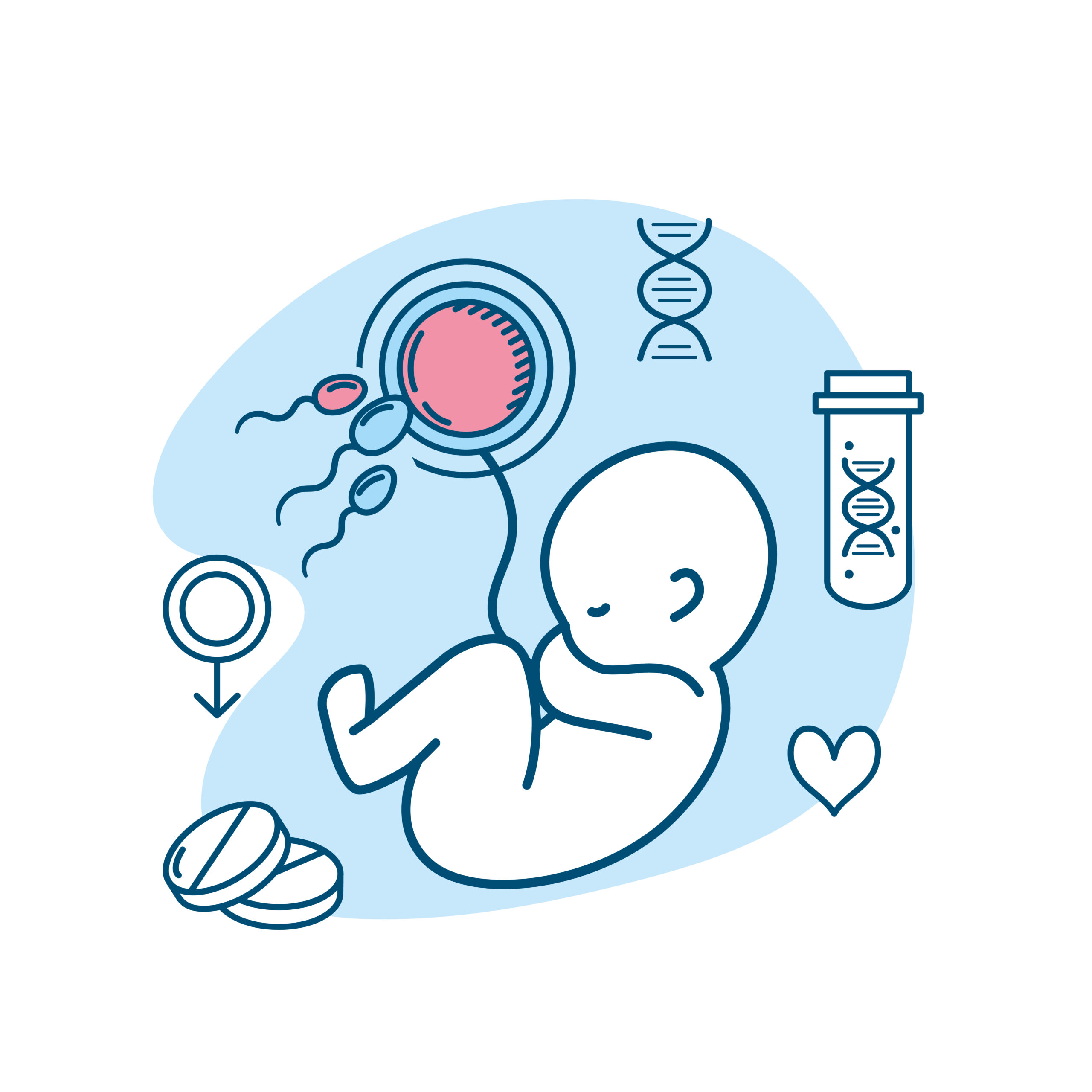
For many couples, deciding to pursue in-vitro fertilization (IVF) is both exciting and overwhelming. You may already have heard terms like “ovarian stimulation,” “embryo transfer,” or “beta hCG test,” but what do they actually mean in practice?
If you are considering IVF for the first time, having a clear roadmap can make the process less intimidating. Let’s walk through the IVF journey step by step—so you know what to expect at each stage.
Step 1: Initial Consultation and Fertility Evaluation
The journey begins with a detailed consultation with a fertility specialist. Both partners usually undergo tests to identify the underlying cause of infertility.
- For women: blood hormone tests, ultrasound scans, and ovarian reserve testing.
- For men: semen analysis to evaluate sperm count, motility, and morphology.
This stage helps the doctor personalize your treatment plan. Sometimes, additional tests such as hysteroscopy (checking the uterus) or genetic screening may also be suggested.
Step 2: Pre-Treatment Preparation
Before IVF officially starts, the couple may be advised to:
- Correct nutritional deficiencies.
- Stop smoking or excessive alcohol intake.
- Manage medical conditions such as thyroid issues or diabetes.
- Take prescribed supplements like folic acid or vitamin D.
A healthy body increases the chances of success.
Step 3: Ovarian Stimulation
This is one of the most important phases. The goal is to produce multiple eggs in one cycle instead of just one.
- Daily hormonal injections (gonadotropins) stimulate the ovaries.
- Regular ultrasound scans and blood tests monitor follicle growth.
Duration: Around 10–12 days.
Tip: This stage requires commitment, frequent clinic visits are common, but they are vital to track progress closely.
Step 4: Trigger Shot and Egg Retrieval
Once the follicles reach the right size, a “trigger shot” (usually hCG or GnRH agonist) is given to mature the eggs.
- Egg retrieval (also called ovum pick-up) is done about 34–36 hours later.
- This is a minor surgical procedure performed under light anesthesia.
- Using a fine needle guided by ultrasound, eggs are collected from the ovaries.
It usually takes 20–30 minutes, and most women return home the same day.
Step 5: Sperm Collection
On the day of egg retrieval, a sperm sample is collected from the male partner. In cases of severe male infertility, surgical sperm retrieval (such as TESA or PESA) may be needed.
Step 6: Fertilization in the Lab
Now come to the scientific magic. The collected eggs and sperm are combined in the lab.
Two common methods are used:
- Conventional IVF: Eggs and sperm are placed together in a dish and fertilization occurs naturally.
- ICSI (Intracytoplasmic Sperm Injection): A single sperm is directly injected into an egg, often used when sperm quality is low.
Within 24 hours, fertilization is confirmed, and the embryos start developing.
Step 7: Embryo Development
The embryos are carefully monitored in a special incubator.
- By Day 3, embryos usually have 6–8 cells.
- By Day 5 or 6, they may reach the blastocyst stage, which has a higher chance of implantation.
Depending on the clinic and medical advice, embryos are either transferred fresh in the same cycle or frozen (cryopreserved) for transfer later.
Step 8: Embryo Transfer
This is a relatively simple and painless procedure, often compared to a Pap smear.
- One or two embryos are placed inside the uterus using a thin catheter.
- The procedure takes about 10–15 minutes and does not require anesthesia.
Doctors usually prefer transferring fewer embryos to avoid the risks of multiple pregnancies.
Step 9: The Two-Week Wait
After the transfer comes the most emotionally challenging part—waiting.
- Medications such as progesterone are prescribed to support the uterine lining.
- Physical activity is kept moderate; complete bed rest is usually unnecessary.
- The pregnancy blood test (beta hCG) is scheduled about 12–14 days after transfer.
This waiting period can be stressful, so emotional support from family, friends, or counseling is often helpful.
Step 10: Pregnancy Test and Beyond
If the beta hCG test is positive, congratulations, you are pregnant! An ultrasound is scheduled after a couple of weeks to confirm heartbeat and normal growth.
If the cycle is unsuccessful, the doctor will review the possible reasons and discuss the next steps, which may include another transfer (if embryos are frozen) or repeating the IVF cycle.
Additional Options along the Way
- Cryopreservation: Extra good-quality embryos can be frozen for future use.
- Genetic Testing (PGT): Helps screen embryos for genetic conditions before transfer.
- Egg or Sperm Donation: Considered if own gametes are not viable.
Conclusion
The IVF journey may seem complex, but when broken into steps, it becomes much more approachable. From consultation to embryo transfer, each stage is carefully designed to maximize success.
For first-time couples, the most important things to remember are:
- IVF requires patience and emotional strength.
- Success may not happen in the first attempt, but modern technology provides multiple options.
- Staying informed and working closely with your fertility specialist can make the process smoother.
IVF is not just about science, it is also about hope, resilience, and the dream of building a family.
